
 English
 Español
 Apr 10,2026
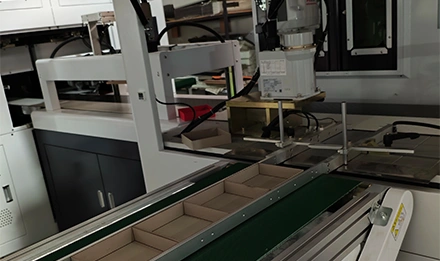
You’ve just landed a new luxury packaging contract. The order volume looks great. But your current rigid box assembly process is struggling to keep up – misaligned corners, inconsistent glue application, and operators constantly fixing jams. Sound familiar?
Many packaging producers rush into buying a rigid box line based on brochure specs alone. Six months later, they realize the machine doesn’t fit their box sizes, or the output drops when changing materials.
To help you avoid that regret, here are five field-tested tips for picking a rigid box line that actually works for your shop floor. No theory – just lessons from real production environments.
1. Match the Line to Your Box Size Range (Not Just Max Size)
It’s tempting to look only at the maximum box dimension a line can handle. But in reality, most of your daily orders will fall somewhere in the middle.
The common mistake: buying a line designed for very large gift boxes, then struggling to run small smartphone boxes because the feeding mechanism can’t adjust precisely.
Instead, list the minimum and maximum box sizes you’ve run in the past 12 months. Also note the most frequent size. Then look for a rigid box line that offers quick, tool-less changeovers within that sweet spot.
2. Check the Gluing System’s Real-World Reliability
Glue-related downtime is the number one hidden cost in rigid box assembly.
Many machines look great on paper – high-speed servo motors, touchscreen controls – but the glue nozzles clog every two hours, or the adhesive film thickness varies with temperature changes.
When evaluating a rigid box line, ask these three questions:
-
What’s the mean time between cleaning for the glue system?
-
Does it support both water-based and hot-melt adhesives? (Some lines lock you into one type.)
-
Can you see glue application patterns on a test run with your own box materials?
According to a 2023 packaging industry survey (Source: Converting Magazine), glue-related stops account for nearly 35% of unplanned downtime on rigid box lines. A well-designed glue station with automatic viscosity control and easy-access nozzles makes a huge difference.
If you want to dive deeper into how modern gluing systems avoid these common failures, explore production-ready configurations here.
3. Prioritize Material Handling – The Silent Productivity Killer
You can have the fastest forming station in the world, but if your rigid box line chokes on warped chipboard or misaligned cover paper, you’re not going anywhere.
Walk into any box plant and you’ll see the same scene: operators spending 20% of their time straightening stacks, adjusting feeders, or clearing misfeeds.
Look for these material-handling features:
-
Pre-stack magazines that let you load while the machine runs
-
Auto-splicing for cover paper (eliminates stop-and-splice)
-
Side-alignment with sensors, not just mechanical guides
One large European cosmetics packaging producer recently shared with us that upgrading to a line with better pre-feeder alignment reduced their material waste from 5.2% to 1.8% in the first quarter. That’s direct profit.
4. Ask About “Real” Speed vs. Theoretical Speed
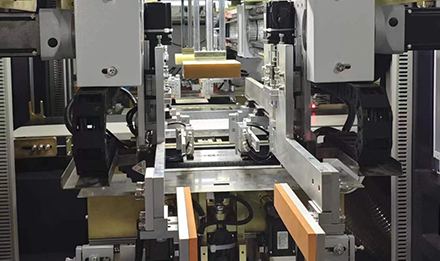
Every supplier will quote a peak speed – often something like “60 boxes per minute.” But that number is usually measured with ideal conditions: perfect material, single box size, no breaks.
Your reality will be different.
Instead of trusting the brochure, ask for sustained speed at 80% duty cycle. Better yet, request a video of the rigid box line running a mixed batch with three different sizes. Count the actual output over 30 minutes.
Here’s a quick benchmark from our field notes:
-
A line rated at 50 BPM typically sustains 35–40 BPM in real-world mixed production.
-
A well-engineered line might sustain 45–48 BPM – that 10% difference adds up to thousands of extra boxes per shift.
Also check if the line has an “eco mode” for lower demand periods. Running a giant line at half speed wastes energy and accelerates wear. Modular designs that allow section shutdown are worth the premium.
To see how actual sustained speed data compares across different setups, check out Pinchuang’s rigid box line solutions with real production case studies.
5. Don’t Ignore Training and Documentation – Future-Proof Your Team
This tip sounds boring, but it’s where many buyers get burned.
A complex rigid box line without clear documentation is like a sports car without a steering wheel. When your senior operator retires or gets sick, production stops.
Before signing anything, verify:
-
Step-by-step video manuals for every adjustment (not just PDF diagrams)
-
On-site training hours included (minimum 3 full days)
-
Remote diagnostic capability – can the supplier log in to help troubleshoot?
One mid-sized packaging company we spoke with lost two weeks of production because their new line had a sensor logic error and the supplier required a technician to fly in. That’s avoidable.
Ask for references from other buyers who have run the line for at least 12 months. Then call them and ask: “What broke? How fast was support?”
Putting It All Together – Your Decision Checklist
Before you shortlist any rigid box line, run it through these five filters:
| Tip | Red Flag | Green Light |
|---|---|---|
| Size range | Fixed changeover >30 min | Tool-less adjustment under 15 min |
| Gluing system | Nozzles require daily cleaning | Auto-purge + viscosity control |
| Material handling | Manual stack straightening | Pre-stack magazine + sensors |
| Real speed | Only theoretical spec quoted | Sustained speed test provided |
| Training | “Standard 1-day training” | Video manuals + remote support |
If a line passes all five, you’ve found a reliable partner. If it fails two or more, keep looking – the long-term maintenance cost will eat your margin.
When You Need a Production-Ready Rigid Box Line
You’ve learned the key selection criteria. Now, applying them to a real machine is the next step.
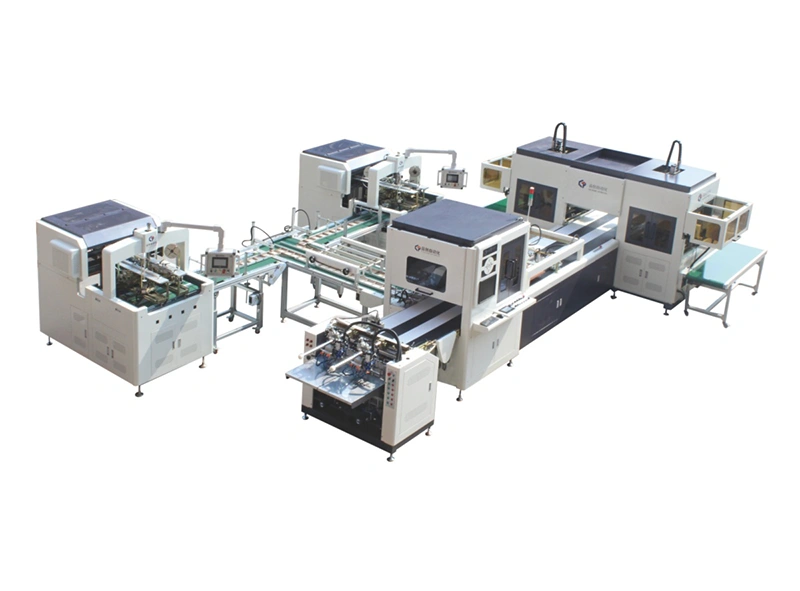
If you’re looking for a rigid box line that prioritizes changeover efficiency, glue system reliability, and transparent speed data, you might want to explore Pinchuang’s automated rigid box solutions. Their lines are used by mid-size packaging converters across North America and Europe – and they provide the kind of detailed documentation and training that keeps your line running years from now.
Still have questions about sizing, gluing, or material handling? Drop a comment below or contact their engineering team directly – they actually pick up the phone.
References & Notes
-
Industry downtime data referenced from Converting Magazine – “Glue System Reliability Survey 2023” (summary available upon request)
-
Operational benchmarks based on field interviews with packaging production managers (anonymized)
-
Photo illustrations are representative; actual machine designs may vary by model