
 English
 Español
 Apr 27,2026
Most production inconsistencies in luxury packaging—covering misaligned lids, wrinkled wrapping surfaces, and unstable corner folds—trace directly to human intervention. You are likely searching for a rigid box making machine because your current manual assembly line is failing to scale reliably, leaving expensive materials wasted and rework piling up. The immediate solution is not just to buy any equipment, but to identify a system that standardizes the bonding, positioning, and pressing variables that human hands naturally struggle to control.
You Can’t Train Your Way Out of Physical Assembly Flaws
While many believe that strict quality control checkpoints (IQC, IPQC, FQC) will fix end products, this logic fails when the assembly method itself is the root cause. In handmade rigid box production, a common mistake is treating QC as a final inspection at the shipping dock. However, the real breakdowns happen during manufacturing—differences in glue viscosity open times, human tension variances in corner folding, and visual alignment discrepancies that shift as workers fatigue.
Even with the most rigorous training, the defect rate for multi-step manual wrapping and assembly remains unpredictable, often exceeding critical thresholds for premium electronics or cosmetics where brand presentation is everything.
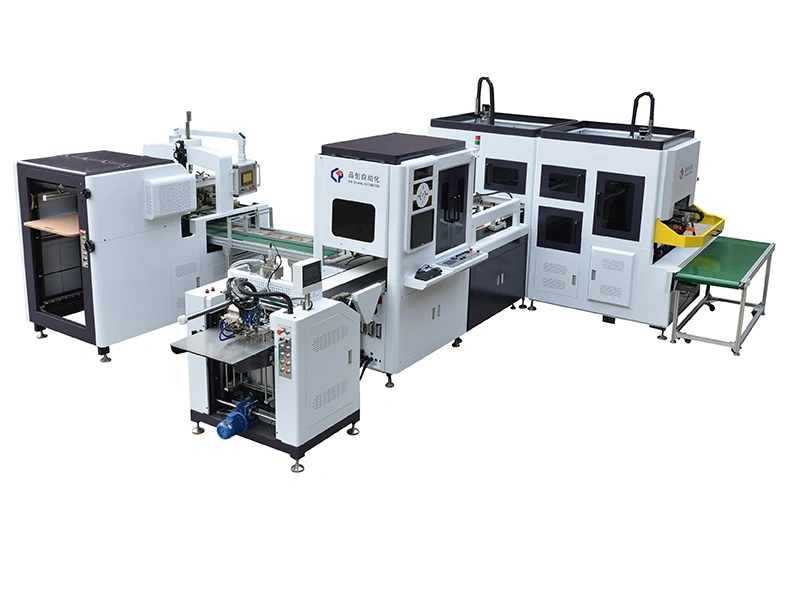
The Hidden “Time Tax” of Manual Box Mounting
Beyond immediate quality, consider the operational bottlenecks. A fully manual production line typically produces only 5 to 10 rigid boxes per minute, whereas automated solutions operate at speeds ranging from 30 to 120 boxes without drop-offs in precision. This mismatch creates a harsh reality: you are paying for labor inefficiency twice. First in wages, and second in lost opportunity because you cannot meet seasonal demand surges without exhausting your workforce.
Industry data suggests that manual rigid box production costs manufacturers an average of $3.50–$7.00 per unit when factoring in labor, wasted high-end materials, and costly rework. For a mid-tier producer managing 200,000 units annually, we are looking at $700,000 to $1.4 million in avoidable expenses.
How a Switch in Workflow Protects Your Margins
Transitioning to a streamlined forming workflow changes the financial equation immediately. By removing the variances of handmade glue aligning and edge smoothing, you protect the integrity of high-end materials like velvet, leather, or specialty foils. These automated environments integrate hydraulic-pneumatic corner folders that maintain material tension and prevent the warping often seen with metallic finishes.
Furthermore, modern systems reduce dependency on a large workforce for repetitive finishing tasks. Where you might need six to eight workers to maintain a steady output of premium gift boxes, a single operator monitoring an automated line can achieve the same volume with consistency down to ±0.2mm tolerances. You stop paying for people to correct errors and start paying them to oversee actual production value.
The “Design-to-Box” Gap (And Why Materials Hate Guessing)
There is often a painful disconnect between your luxury packaging designs—created in CAD software—and the physical reality of the factory floor. Inaccurate measurements and cutting lead to the dreaded "fishtail" effect or loose fits that ruin the unboxing experience. This disconnect is why requesting custom dimensions or specific creasing patterns is frequently met with resistance in manual shops; changeovers take hours or days.
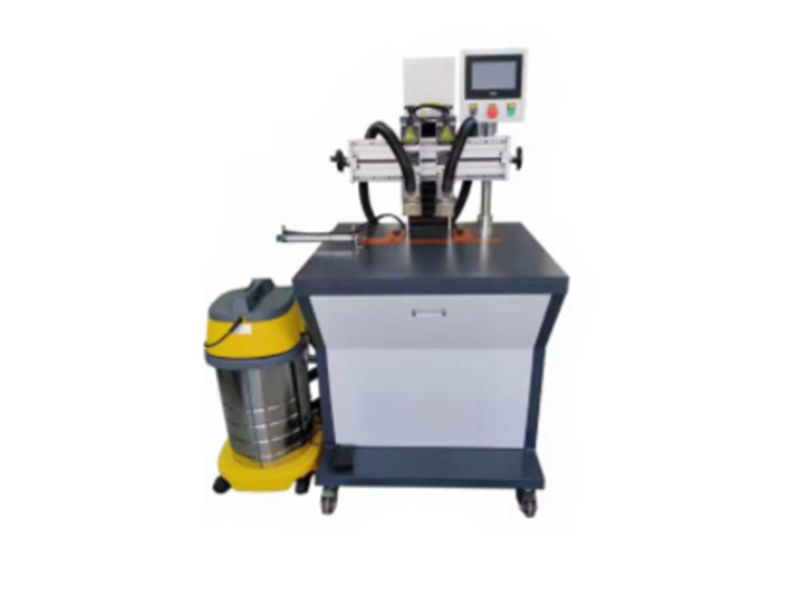
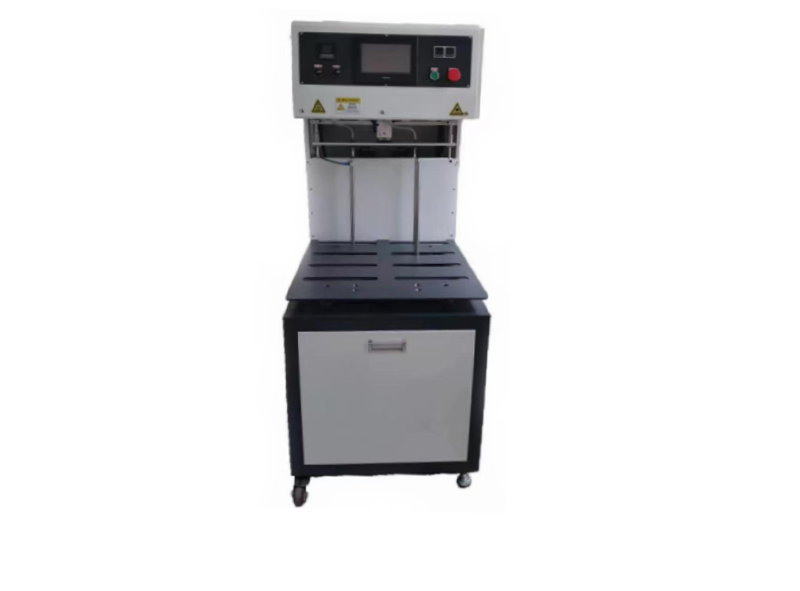
If you browse the brand’s packaging automation solutions, you will notice a significant shift toward versatile machinery that adapts to irregular shapes quickly. By using parameter adjustments rather than mechanical retooling, these automated wrappers handle intricate designs like drawer boxes or iPhone cases with magnetic closures without requiring workers to re-learn the process.
Pinchuang vs. Semi-Automatic: The “Middle Ground” Trap
When packaging buyers try to solve manual errors, they often gravitate toward semi-automatic equipment. On the surface, this seems like a safe middle ground—you lower reliance on pure hand-force without risking a full digital overhaul. But in practice, the semi-automatic hard box maker suffers from the worst of both worlds. It retains the operator intervention for feeding and folding that creates variability, yet lacks the throughput to justify the investment. You still have a human aligning the wrap by eye, which means logos still drift, and corners still soften.
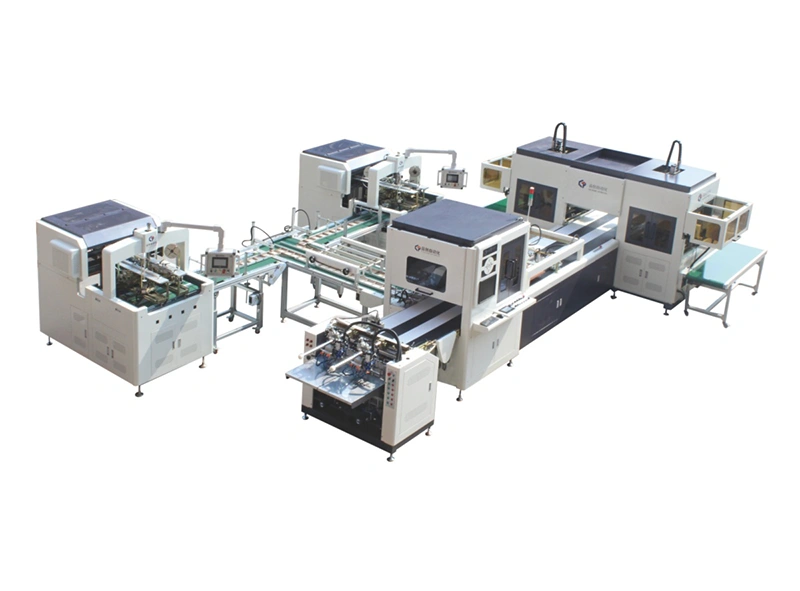
A comprehensive rigid box making machine (which we are analyzing here) bypasses this entirely. For buyers dealing with high-volume luxury cosmetics or consumer electronics packaging, the contrast is stark. Automatic systems use vision inspection feedback loops to detect material drift in real time and adjust positioning instantly. You aren't just speeding up a slow process—you are eradicating the error vectors that semi-automatic models merely tolerate. To see how a fully integrated line handles these high-stakes adjustments, view the full range of automated options from Pinchuang by exploring the product page.
Mapping ROI and Material Yield
The physics of rigid box production are unforgiving. Thick greyboard and costly printed paper do not forgive "do-overs." Every misaligned cut or uneven crease represents a total loss of premium materials. Here is where engineered automation creates a rapid payback: predictive control systems reduce material waste by up to 40% through optimized cutting patterns and exact glue volume dispensing (eliminating seepage and stains). When your margins depend on exotic papers or sustainable fibers, that percentage can mean saving thousands monthly.
In real-world factory upgrades, viewing a detailed efficiency case study shows that shops implementing automated wrappers often see a 30% reduction in labor costs and a 20% decrease in scrap simultaneously. It is not just that the machine runs faster; it is that the machine consumes smarter.
Realities of Custom Production Runs
One fear holding buyers back is the belief that automation kills flexibility. They envision a machine locked into producing 10,000 identical square boxes indefinitely. However, the current generation of intelligent controllers stores hundreds of box recipes. Changeover times—that nightmare of manual assembly where you stop production for half a day to adjust for a different thickness—shrink to under 15 minutes.
Whether you are wrapping a jewelry case measuring 100x50x12mm or a liquor gift set measuring 600x400x130mm, the handling system adjusts its gripping and folding parameters automatically. This is the specific answer to the modern e-commerce demand for seasonal variety. You are not sacrificing artisanal diversity; you are just stopping the financial bleeding caused by manual errors that plague those diverse designs.
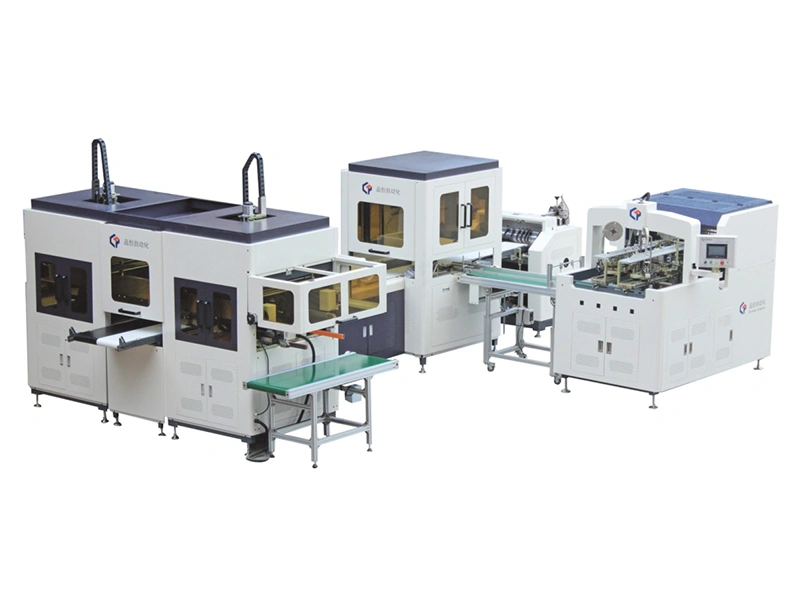
Making the Shift Without Disrupting Your Floor
Making the leap does not require a total warehouse teardown. Many modular systems integrate seamlessly with your existing die-cutting or printing staging areas. The goal is to place the box lining and corner wrapping under a single roof without retraining your entire legacy workforce. Because the safety logic—such as light curtain protection and emergency stops—is built into the machinery, you also reduce workplace injury risks associated with repetitive manual cuts and pressings.
When evaluating vendors, do not just look at the motor horsepower. Look at the viscosity controls and the servo motor precision. Those components are what separate a machine that simply moves paper from one that actively protects your brand aesthetic.
Stop treating quality control as a final step. Build consistency into every fold. To explore the specific automated solutions that match your production volume and material types, explore Pinchuang’s automation solutions here.