
 English
 Español
 Apr 23,2026
For packaging manufacturers evaluating drive systems for high-speed box forming, the choice between servo-driven control and traditional cam mechanisms directly shapes production uptime, changeover efficiency, and long-term operational costs. When producing premium rigid boxes with consistent precision, many factories overlook how drive architecture impacts repeatability and scalability. A Rigid Box Making Machine equipped with either system can form boxes, but performance in real production environments varies dramatically, especially under frequent SKU changes and tight tolerance requirements. Data from the Packaging Machinery Manufacturers Institute (PMMI) shows that modern servo-based lines reduce format change time by an average of 62% compared to cam-driven setups, a statistic that reshapes ROI calculations for mid-to-high volume production facilities.
How Cam Mechanisms Shaped Traditional Box Automation
For decades, cam-driven systems dominated box manufacturing equipment for their mechanical simplicity and low upfront cost. A fixed cam profile dictates every movement of folding, gluing, and pressing, creating synchronized motion through physical linkage. This design excels in high-volume, single-SKU environments where production runs last weeks or months without modification.
In stable production scenarios, cam systems deliver reliable motion with minimal electronic components, making them appealing for small workshops with limited technical support. However, this mechanical rigidity becomes a liability in today’s packaging landscape. Brands now demand shorter runs, custom box sizes, and frequent design updates, all of which expose the limitations of fixed cam profiles.
One underdiscussed drawback is mechanical wear. Cam followers and linkage components degrade over time, leading to minor positioning errors that accumulate in finished boxes. Maintenance teams often face unplanned downtime replacing worn parts, and recalibration requires skilled mechanical labor. For businesses scaling into luxury packaging, these small inconsistencies can affect brand presentation and lead to higher rejection rates.
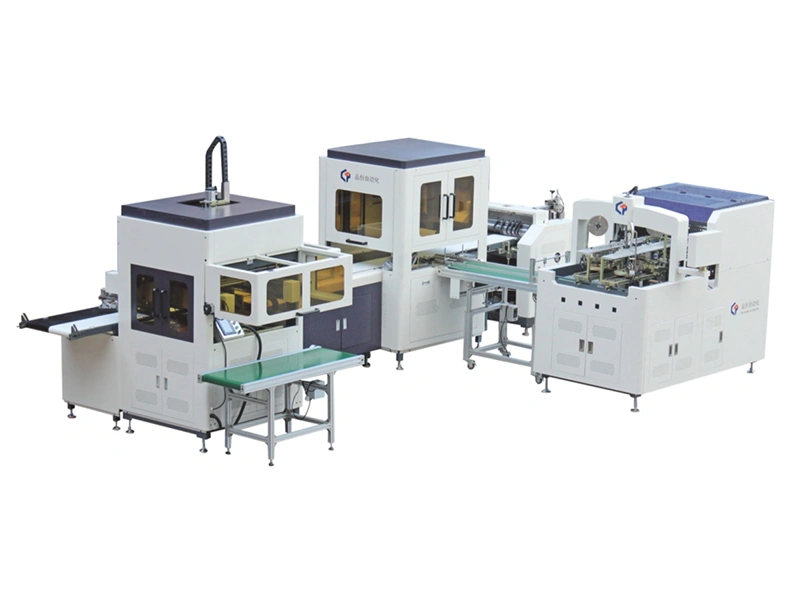
Many operations running legacy cam equipment notice diminishing accuracy after years of use, yet hesitate to upgrade due to perceived investment risks.
The Operational Advantages of Servo-Driven Box Automation Systems
Servo-driven box automation replaces mechanical cams with independent, programmable motor control, allowing each axis of motion to adjust dynamically without physical modification. This electronic synchronization unlocks flexibility that cam systems cannot match, particularly for manufacturers producing multiple box styles, sizes, and board thicknesses.
PMMI industry reports also highlight that servo-equipped lines improve overall equipment effectiveness (OEE) by 18–25% compared to conventional cam lines, primarily due to faster changeovers and reduced waste. Operators can save and recall box recipes via a touch panel, completing format changes in minutes rather than the hours required to rework or replace cam components.
Beyond speed, servo systems offer superior positioning accuracy, especially critical for complex box structures with embossing, window cutting, or layered assembly. Motion profiles adjust in real time, compensating for material variations and ensuring consistent folding pressure across different paperboard types. This level of control reduces material waste and lowers the need for manual inspection, directly improving profit margins.
Another often underappreciated benefit is quieter operation and lower energy consumption. Servo motors only draw power during active movement, whereas cam systems run continuously even during idle phases. For factories operating multiple shifts, this difference translates to noticeable utility cost savings over a full production year.
Real Production Scenarios: Which Drive System Fits Your Operation?
Choosing between servo and cam technology depends entirely on your production profile, order structure, and long-term growth plans. Cam-driven machines remain viable for small manufacturers focused on one or two standard box sizes with long, uninterrupted production runs. Their simple construction means easier on-site maintenance and lower initial purchase cost, making them practical for localized, low-mix operations.
However, for businesses serving e-commerce, luxury retail, cosmetics, and gift packaging markets, the cost savings of cam machines vanish quickly. Frequent SKU transitions, custom sizes, and high-quality requirements reward the flexibility of servo systems. Manufacturers in these sectors report that reduced changeover time alone pays back servo upgrades within 12–18 months.
What many buyers miss is that modern integrated designs balance precision and durability far better than older mechanical systems. When selecting equipment, focus on total cost of ownership rather than just machine price, including maintenance, downtime, waste, and labor hours spent on adjustments.
PINCHUANG’s Approach to Balanced Box Automation Solutions
At PINCHUANG, we design box production equipment with real factory pain points in mind, rather than prioritizing theoretical performance metrics. Our engineering team has spent years refining motion systems to support both stable high-volume output and rapid format changes, addressing the core tradeoffs between servo and cam architectures.
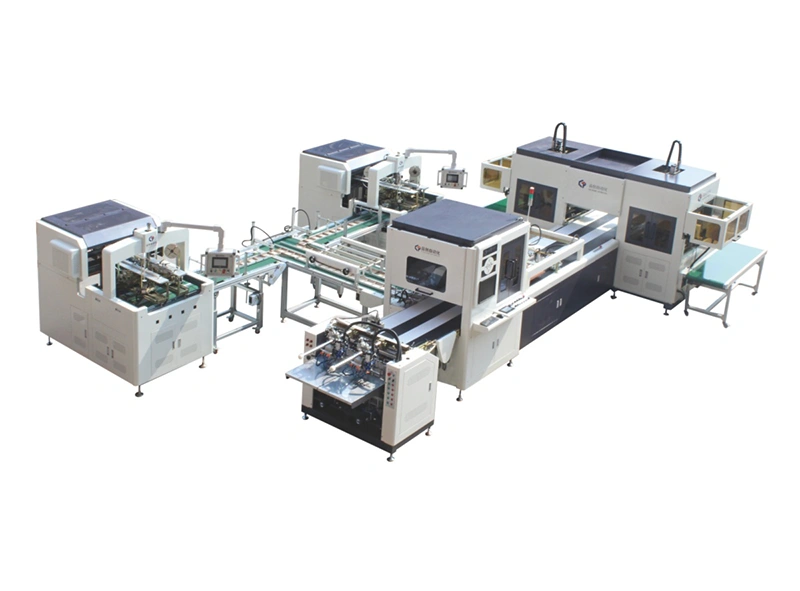
For manufacturers producing high-end presentation boxes, our optimized platform integrates advanced servo control with rugged frame construction to ensure consistent folding accuracy and long-term reliability. The Rigid Box Making Machine from PINCHUANG uses multi-axis synchronous servo control to eliminate the inflexibility of cam mechanisms while retaining the robustness needed for continuous industrial operation. Unlike generic cam-driven machines, this solution supports quick recipe switching, reduces material waste, and maintains tight tolerances even during frequent production changes.
Compared to standard cam-based equipment, our servo-enhanced design cuts down format change time, extends service intervals, and improves overall product consistency. Facilities that switched from legacy cam lines report fewer jams, lower rejection rates, and simpler operator training, as electronic control removes the complexity of mechanical adjustment.
We also provide customized configuration to match specific box dimensions, production speeds, and material types. Whether you produce small luxury boxes or large rigid gift containers, our team adapts drive parameters, tooling, and control logic to your exact workflow. This level of customization ensures your equipment performs optimally from day one, without generic, one-size-fits-all limitations.
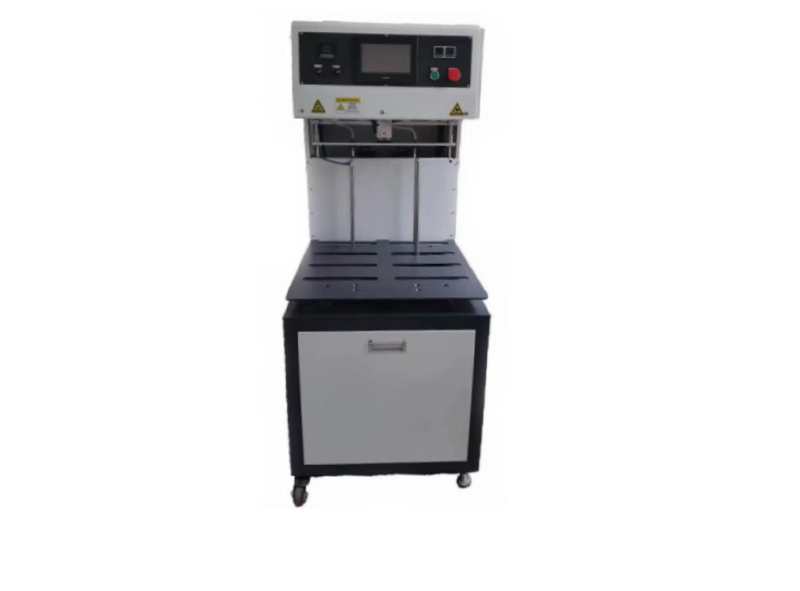
When comparing suppliers, it’s important to look beyond technical specifications and evaluate real after-sales support, component durability, and application suitability. Our installations include on-site commissioning, operator training, and long-term technical support to keep your line running at peak efficiency.
Final Thoughts for Informed Equipment Investment
Cam-driven systems still have a place in simple, low-mix box production, but servo-driven automation has become the standard for manufacturers prioritizing flexibility, accuracy, and long-term value. As market demands shift toward shorter runs, custom designs, and higher quality standards, the mechanical limitations of traditional cam mechanisms become increasingly difficult to overlook.
When investing in box automation equipment, evaluate your current order structure, future growth plans, and total operational expenses instead of focusing solely on upfront cost. A machine that reduces changeover time, material waste, and maintenance hours will often deliver superior returns even with a higher initial price.
At PINCHUANG, we combine industry-leading motion control with durable construction to create solutions that adapt to evolving packaging needs. Our focus on practical performance and reliable operation helps manufacturers avoid overpaying for unnecessary features while ensuring they have the flexibility to meet future market demands.