
 English
 Español
 Jul 31,2026
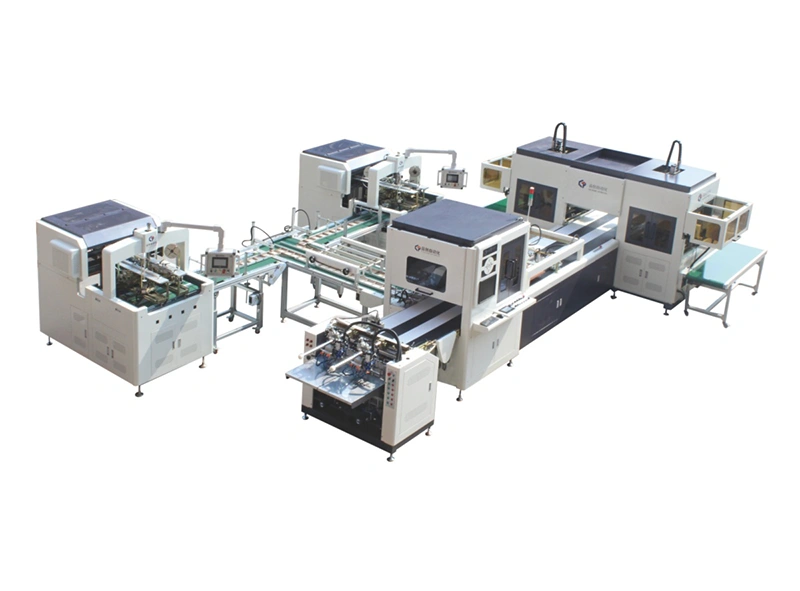
If you are sourcing equipment for rigid box production, you may have encountered the term "lid and base in one" or "dual rigid former." In simple terms, this refers to a rigid box making machine configuration that produces both the lid and the base of a rigid box simultaneously on the same production line. Rather than running lids and bases separately on different machines or in separate production runs, a dual-station system forms both components in one integrated workflow. This approach is particularly relevant for high-volume production of two-piece rigid boxes—commonly used in luxury packaging for jewelry, cosmetics, electronics, and confectionery.
This article explains what "lid and base in one" means in practice, how dual-station rigid box forming works, what applications benefit most from this configuration, and what factors buyers should consider when evaluating this equipment option.
Understanding the Two-Piece Rigid Box
Before examining the "lid and base in one" concept, it helps to clarify what a two-piece rigid box is.
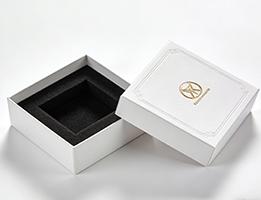
A two-piece rigid box consists of two separate components:
-
The lid (cover) — the top portion that fits over the base
-
The base (tray) — the bottom portion that holds the product
These two components are produced separately and then matched together to form a complete box. Common examples include jewelry boxes, mobile phone boxes, watch boxes, cosmetic boxes, tea boxes, and chocolate boxes. The lid and base must fit together precisely—if the lid is too tight or too loose, the box fails quality inspection.
In traditional production setups, lids and bases are often produced in separate runs or on separate machines. This creates a logistical challenge: ensuring that the number of lids produced matches the number of bases. If one component runs faster or slower than the other, you end up with mismatched inventory and production delays.
What "Lid and Base in One" Actually Means
When a rigid box machine is described as producing "lid and base in one," it means the equipment is configured with dual forming stations that can produce both components simultaneously within the same production cycle.
Instead of running a batch of lids, then stopping and reconfiguring the machine to run bases, a dual-station system produces both parts at the same time. The lid and base are formed in parallel, maintaining matching production rates and eliminating the need for separate production scheduling.
This is not simply a machine that can produce either lids or bases (which many single-station machines can do with a changeover). A true "lid and base in one" system produces both components simultaneously, without requiring a changeover between them.
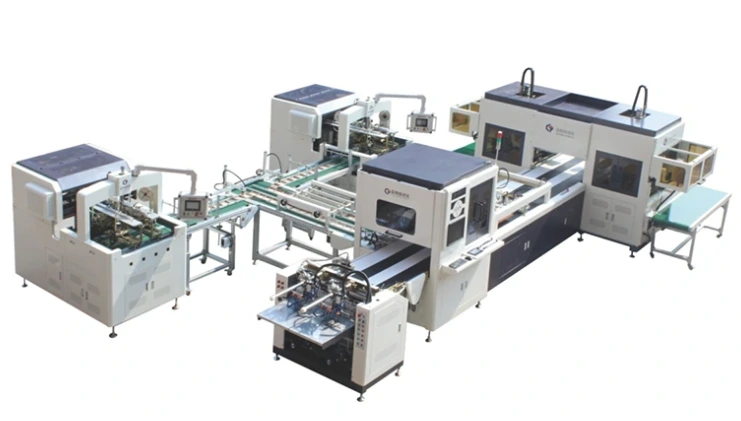
How Dual-Station Rigid Box Forming Works
A dual-station rigid box forming machine typically operates through the following workflow:
-
Material feeding — Paper and cardboard are fed into two separate forming stations
-
Gluing and positioning — Each station applies adhesive and positions materials for forming
-
Simultaneous forming — Both stations form their respective components (lid and base) in parallel
-
Vision positioning — Systems such as Yamaha vision positioning guide component assembly for precision
-
Output — Completed lids and bases exit the machine at matched production rates
The key technical enabler is the dual-station architecture, which allows two forming operations to occur concurrently rather than sequentially. High-end systems incorporate robotic arms and vision systems to maintain positioning accuracy, with typical precision reaching ±0.1 mm.
Production speed varies by machine configuration and box size. For example, dual-station systems in the market typically operate at speeds ranging from 20 to 44 pieces per minute, depending on box dimensions and material characteristics.
When Does "Lid and Base in One" Make Sense?
Not every rigid box production scenario benefits from a dual-station approach. Understanding when this configuration is appropriate helps buyers make informed equipment decisions.
Suitable Scenarios
| Application Type | Why Dual-Station Works |
| High-volume consumer goods packaging | Matched lid/base output eliminates inventory mismatches |
| Luxury gift boxes | Consistent fit quality requires matched production |
| Multi-size production runs | Fast changeover capabilities support size flexibility |
| Electronics packaging | Precision fit requirements benefit from simultaneous forming |
The dual-station approach is particularly valuable for manufacturers who produce large volumes of two-piece rigid boxes where lid and base fit consistency is critical to product quality.
Less Suitable Scenarios
-
Very low-volume custom boxes — where changeover frequency is low and single-station flexibility is sufficient
-
One-piece rigid boxes — which do not have separate lids and bases
-
Production with extreme size variation — where the dual-station size range may not accommodate all requirements
Key Technical Considerations for Buyers
If you are evaluating a "lid and base in one" rigid box forming system, the following factors deserve attention:
1. Size Range Compatibility
Dual-station systems have specific size ranges for simultaneous forming. For instance, some systems support a maximum dual-positioning size of L350×W200×H80 mm for simultaneous lid and base forming, while the overall maximum box size may be larger (e.g., L500×W400×H120 mm). Buyers should verify that their target box dimensions fall within the machine's dual-station operating range.
2. Changeover Speed
The ability to switch between different box sizes quickly is critical for manufacturers handling multiple orders. Fast size changeover capability reduces downtime between production runs. Buyers should ask about changeover time and whether the system supports one-click parameter switching.
3. Positioning Accuracy
For two-piece boxes, lid-to-base fit is a quality-critical dimension. Vision positioning systems help maintain consistent accuracy. Buyers should verify the machine's positioning precision specifications and ask whether accuracy has been validated with their specific materials.
4. Material Compatibility
Rigid box production involves various paper and board materials. Typical material specifications include paper thickness ranging from 80–300 g/m² and cardboard thickness from 1–4 mm. Buyers should confirm that the dual-station system can handle their intended materials without compromising forming quality.
5. Production Speed Requirements
Different dual-station models offer different speed ranges. Buyers should match the machine's output rate to their required production volume, considering both peak demand and normal operating conditions.To compare related models, review the available specifications for each configuration.
Common Questions About Lid and Base in One Production
Q1: Does a dual-station machine produce lids and bases at exactly the same speed?
Yes, that is the fundamental advantage of a dual-station configuration. Because both stations operate in parallel within the same production cycle, the output rate for lids and bases is matched. This eliminates the inventory imbalance that can occur when producing lids and bases separately.
Q2: Can a dual-station machine produce different sizes of lids and bases simultaneously?
Some dual-station systems support producing different sizes in the same run. However, this capability varies by machine model. Buyers should confirm with the supplier whether their target configuration supports mixed-size production and what the size limitations are.
Q3: Is a dual-station machine more expensive than a single-station machine?
Generally, a dual-station system represents a higher initial capital investment compared to a single-station machine. However, the ROI calculation should consider the operational efficiencies gained—eliminating separate lid/base production runs, reducing work-in-progress inventory, and minimizing changeover downtime. The total cost of ownership over the machine's lifecycle may be comparable or favorable for high-volume applications.
Q4: What maintenance considerations are specific to dual-station systems?
Dual-station systems have more forming stations and associated moving parts than single-station machines. Regular maintenance should include inspection of both stations' forming tooling, glue application systems, and vision positioning components. Buyers should ask suppliers about recommended maintenance schedules and spare parts availability.
Q5: What types of boxes are typically produced on lid-and-base-in-one systems?
Common applications include jewelry boxes, mobile phone boxes, watch boxes, cosmetic boxes, tea boxes, chocolate boxes, sweet boxes, and gift boxes. Any two-piece rigid box with separate lid and base components is a potential candidate.
Q6: How do I know if my production volume justifies a dual-station system?
There is no single volume threshold—it depends on your specific product mix, changeover frequency, and labor costs. As a general guideline, manufacturers running continuous production of two-piece rigid boxes with consistent sizes often benefit most from dual-station automation. A supplier can typically provide an ROI analysis based on your target output and box specifications.
Checklist: Evaluating a Lid and Base in One Rigid Former
Before committing to a dual-station rigid box forming system, consider working through this checklist:
- Box dimensions — Are my target lid and base sizes within the machine's simultaneous forming range?
- Material specifications — Does the machine support my paper and board materials?
- Production volume — Will the machine's speed meet my required output?
- Changeover frequency — How often will I need to switch sizes, and what is the changeover time?
- Precision requirements — Does the machine's positioning accuracy meet my quality standards?
- Floor space — Do I have adequate space for the machine's footprint?
- Maintenance support — Are spare parts and technical support readily available?
- Budget — Does the total cost of ownership fit my investment plan?
Conclusion
"Lid and base in one" refers to a dual-station rigid box forming configuration that produces both components of a two-piece rigid box simultaneously. This approach eliminates the production inefficiencies of separate lid and base runs, ensures matched output rates, and supports consistent fit quality—particularly valuable for high-volume luxury packaging applications.
The key to a successful investment lies in matching the machine's capabilities to your specific production requirements: box dimensions, materials, output volume, and changeover needs. Not every operation requires a dual-station system, but for manufacturers producing large volumes of two-piece rigid boxes, it offers a practical approach to improving production efficiency and quality consistency.
For a detailed review of available rigid box making machine configurations and technical specifications, explore the rigid box making machine product lineup. If you have specific box dimensions or production targets in mind, consulting with the equipment supplier for a tailored proposal and ROI analysis is recommended.